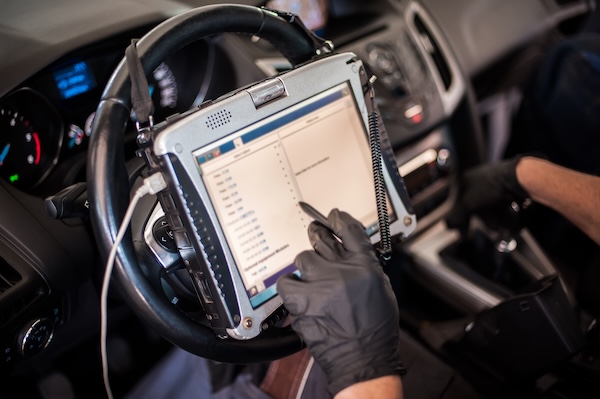
Modern vehicles are essentially computers on wheels. From engine performance to braking, transmission, and emissions, dozens of onboard systems constantly monitor how your car is operating. When something goes wrong, your vehicle’s computer stores diagnostic trouble codes to help identify the issue. This process, known as computer diagnostics, plays a crucial role in modern automotive repair.
Because the technology can feel intimidating, many drivers have questions about what computer diagnostics actually involve, when they’re needed, and what the results mean. Below are answers to some of the most common FAQs to help you better understand this essential service.
What Are Computer Diagnostics?
Computer diagnostics involve connecting specialized equipment to your vehicle’s onboard computer system. This allows technicians to retrieve error codes, monitor live data, and analyze how different systems are performing.
These systems track everything from engine timing and fuel delivery to sensor readings and emissions controls. When a problem occurs, the computer stores a code that points technicians in the right direction. Diagnostics don’t automatically fix the issue, but they provide a roadmap for accurate repairs.
Q: What Does the Check Engine Light Mean?
The check engine light is one of the most common reasons drivers request diagnostics. This warning light can indicate a wide range of issues, from a loose gas cap to a serious engine or emissions problem.
The light may stay on steadily or flash. A steady light usually signals a non-urgent issue that should be checked soon, while a flashing light often indicates a problem that could cause immediate damage if ignored. Diagnostics are the only reliable way to determine the exact cause.
Q: What Issues Can Computer Diagnostics Detect?
Vehicle diagnostics can identify problems across multiple systems. Some of the most common issues uncovered include:
- Engine and transmission performance problems
- Faulty sensors or electrical issues
- Emissions and exhaust system failures
- Fuel system or ignition problems
Because modern vehicles rely so heavily on electronics, diagnostics help pinpoint issues that wouldn’t be visible during a basic visual inspection.
Q: Are Free Code Scans the Same as Diagnostics?
Many parts stores offer free code scans, but these are not the same as professional diagnostics. A basic scan may retrieve a generic trouble code, but it doesn’t interpret live data, manufacturer-specific codes, or root causes.
Professional diagnostics involve advanced tools, trained technicians, and system testing to determine why a code appeared in the first place. Replacing parts based on a code alone can lead to unnecessary repairs and higher costs.
Q: How Long Does a Diagnostic Test Take?
In many cases, an initial diagnostic scan can be completed relatively quickly. However, interpreting the results and performing additional tests may take more time, depending on the issue's complexity.
Some problems require road testing, electrical testing, or component inspections to confirm the diagnosis. Accurate diagnostics prioritize precision over speed, helping ensure the right repair is made the first time.
Q: Do Diagnostics Fix the Problem?
Diagnostics identify the problem—they don’t repair it. Think of diagnostics as a medical test that helps identify what’s wrong before treatment begins. Once the issue is accurately diagnosed, the appropriate repair can be performed.
Skipping diagnostics and guessing at repairs often leads to repeat visits and unresolved issues.
Q: When Should You Get Computer Diagnostics?
Computer diagnostics aren’t just for warning lights. They’re also useful when you notice changes in how your vehicle drives, such as reduced performance, poor fuel economy, or unusual noises.
You should consider diagnostics if:
- A dashboard warning light appears
- Your vehicle runs rough, stalls, or hesitates
- Fuel efficiency suddenly drops
- You’re preparing for an emissions test
Modern vehicles are complex, and accurate diagnostics require experience, training, and specialized equipment. Professional testing ensures all relevant systems are checked and that repairs are based on confirmed data—not assumptions.
Schedule a Diagnostic in GA
If your check engine light is on or your vehicle isn’t performing as it should around Americus, GA, computer diagnostics are the first step toward a reliable solution. Accurate testing saves time, prevents unnecessary repairs, and helps keep your car running efficiently. Contact your nearest Snider Auto Care today to schedule professional computer diagnostics.