Posted on 2/26/2026
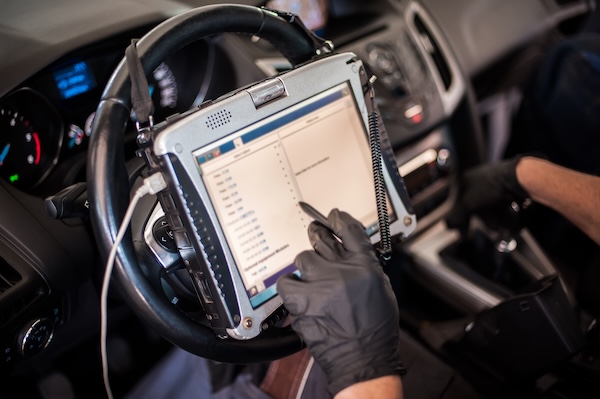
Modern vehicles are essentially computers on wheels. From engine performance to braking, transmission, and emissions, dozens of onboard systems constantly monitor how your car is operating. When something goes wrong, your vehicle’s computer stores diagnostic trouble codes to help identify the issue. This process, known as computer diagnostics, plays a crucial role in modern automotive repair. Because the technology can feel intimidating, many drivers have questions about what computer diagnostics actually involve, when they’re needed, and what the results mean. Below are answers to some of the most common FAQs to help you better understand this essential service. What Are Computer Diagnostics? Computer diagnostics involve connecting specialized equipment to your vehicle’s onboard computer system. This allows technicians to retrieve error codes, monitor live data, and analyze how different systems are performing. These systems track everything from engine timing an ... read more
Posted on 1/30/2026
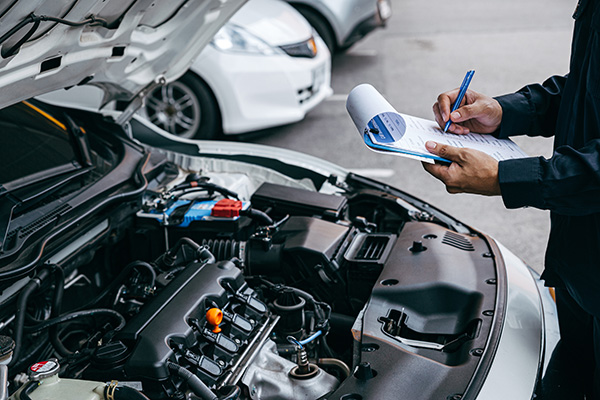
Throttle body cleaning sits in a weird spot. Some drivers swear it was the magic fix for rough idle and sluggish response, others pay for it and feel absolutely no difference. That makes it hard to know whether it is smart maintenance or just another add-on. The truth is, it depends, and the clues are usually there if you know what to look for before you approve anything. Why Throttle Bodies Get Dirty In Modern Cars Even modern engines pull a mix of air and oily vapor through the intake. The PCV system routes crankcase vapors back into the intake stream, and those vapors can leave a thin film behind. Over time, that film collects dust and turns into sticky buildup around the throttle plate and bore. Short trips can speed this up because the engine does not stay hot long enough to burn off moisture and residue as effectively. Direct-injected engines can also develop intake-related deposits differently than older designs, which sometimes makes throttle response feel ... read more